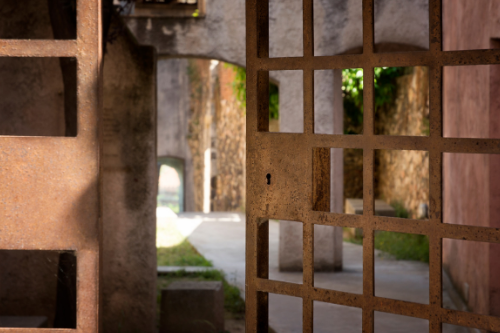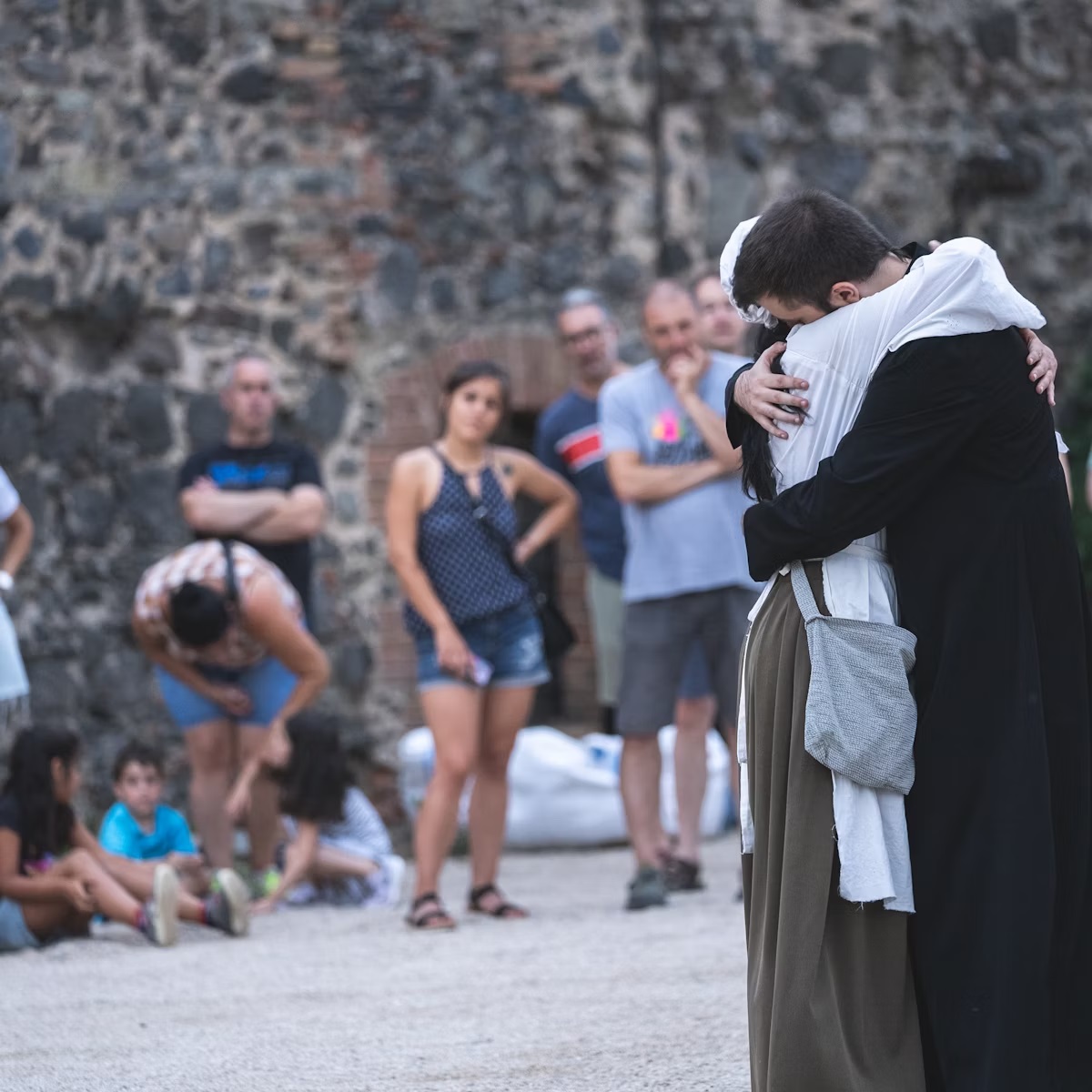
One of the punishments for any breach of military discipline was confinement. This space where it is located was, for decades, the prison of the Hostalric fortress. Confinement was just one of the ways to rehabilitate a soldier. Around 1800, corporal punishment was common in many armies and continued to be so throughout the 19th century.
An example of this is the Spanish disciplinary regulations:
“Q. Anyone who steals the value of 50 to 200 reales vellon in this place?
A. Will suffer the penalty of 10 years in prison, and 6 runs of cane whippings by 200 men.” (Prontuario, pàg.59)
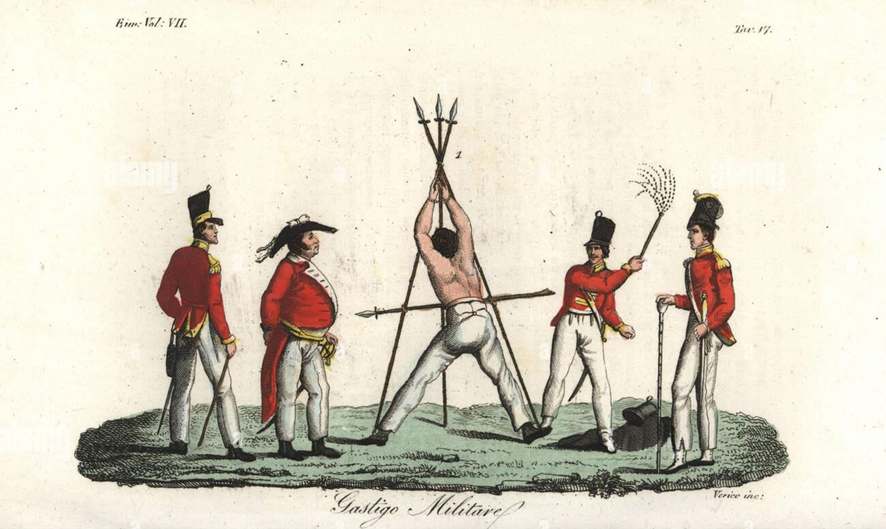
The “run of cane whippings” consisted of passing a cord between two rows of soldiers who, with rifle ramrods, whipped the condemned.
Corporal punishment did not exist in the French army. Those condemned were imprisoned or had to perform forced labor. The cells were regulated, with separate spaces for officers, non-commissioned officers, and enlisted personnel. The living conditions of those arrested were also regulated.
The prisoners were primarily soldiers of the garrison. However, in times of war, it was also used to imprison enemies, as was the case during the Second Carlist War, in which the Carlist leader Miquel Pujol was imprisoned and executed in 1848.
Although it was mainly for military use—since the town council had its own jail—over time the army also assumed public order functions, and it cannot be ruled out that the space was used for civilians.
At the beginning of the 20th century, the fortress had such a small garrison that the citizens of Hostalric financed the construction of the Civil Guard barracks, which then took over public order.
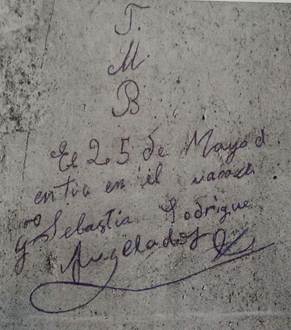
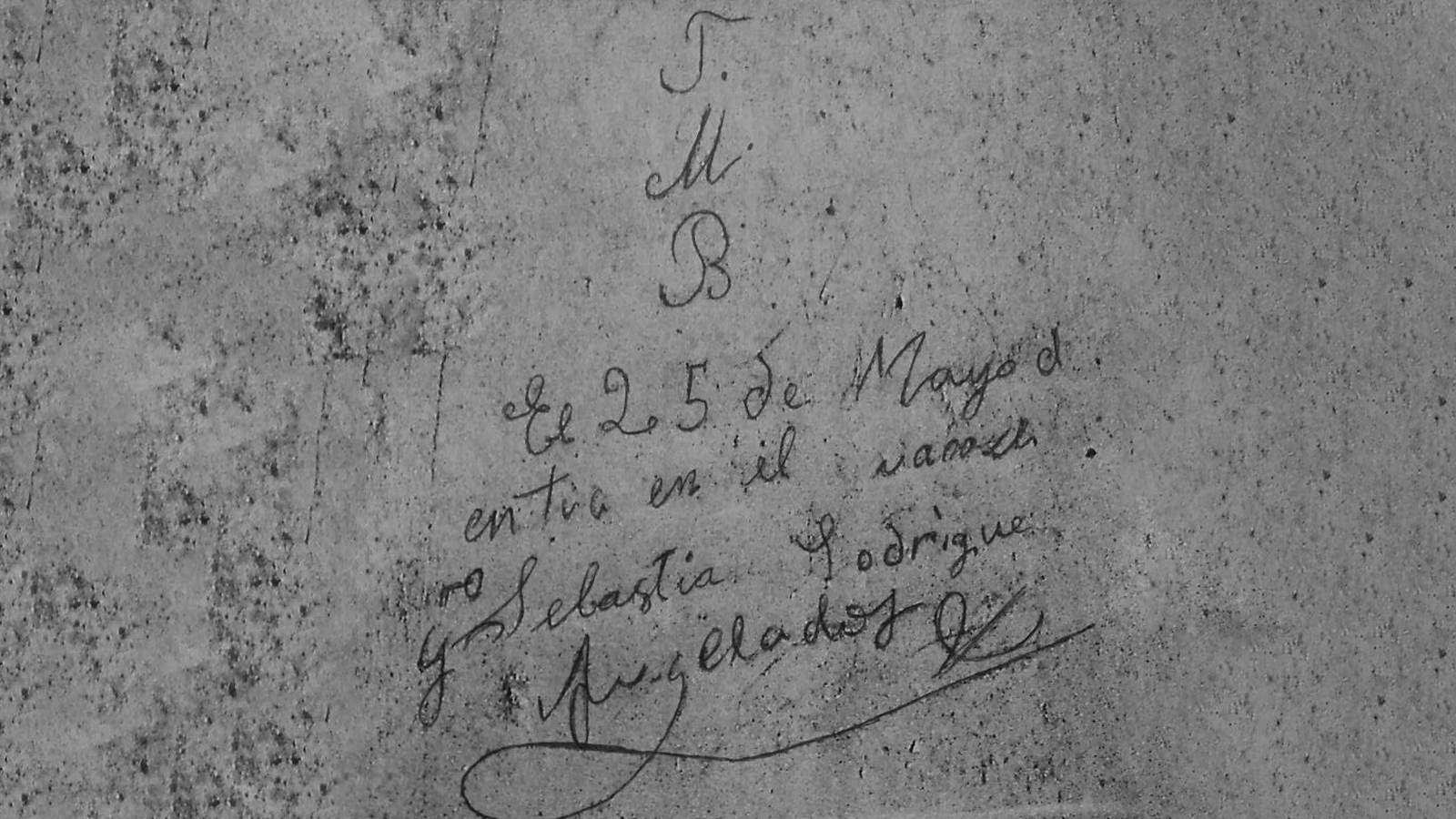
Of great historical interest is the pencil inscription preserved on the right jamb of the door: